
WHAT YOU NEED TO KNOW
Learning how to start meditating requires no paid software or extended time commitments, as starting with just two to five minutes each day builds mental clarity and lowers stress effectively.
- Daily Commitment: Research indicates that practicing for 5 to 10 minutes daily produces noticeable cognitive and emotional improvements.
- Primary Approach: Utilizing simple breath awareness techniques anchors your attention by observing physical breathing sensations.
- Core Mindset: Mind-wandering is entirely normal, and the primary benefit comes from returning focus without self-judgment.
Consistency with short daily sessions creates stronger long-term habits than sporadic longer sits.
What Is Meditation?
Meditation is a mental training practice that uses focus and mindfulness to train attention and awareness. Rather than attempting to turn off your thoughts or clear your mind entirely, meditation teaches you to observe thoughts, feelings, and sensations without reacting to them.
The National Institutes of Health reports that mind-body practices like meditation help lower stress markers, reduce blood pressure, and improve overall psychological well-being. By training the mind to remain present, practitioners develop greater control over their emotional responses in daily life.
What Are the Benefits of Regular Meditation?
Regular meditation creates structural and functional changes in the brain that enhance focus and emotional regulation. Establishing a daily practice offers clear mental and physical health advantages verified by clinical research.
- Stress Reduction: Clinical trials reviewed by the Mayo Clinic show that mindfulness meditation reduces levels of cortisol, the primary stress hormone in the body.
- Improved Focus: Consistent daily sessions strengthen the prefrontal cortex, leading to better sustained attention and working memory.
- Anxiety Management: Observing thoughts without immediate reaction helps interrupt negative thought spirals, offering practical strategies similar to techniques used when learning how to help someone with anxiety.
- Better Sleep Quality: Practicing daily relaxes the autonomic nervous system, making it easier to fall asleep and maintain deep sleep throughout the night.
Which Types of Meditation Work Best for Beginners?
Different meditation styles serve distinct practical purposes. Exploring various formats allows beginners to find the technique that fits their temperament best.
Mindfulness Meditation
Mindfulness meditation involves paying attention to your present moment experience with curiosity and open acceptance. You observe thoughts, emotions, and physical sensations as they pass through your awareness without categorizing them as good or bad.
Breath Awareness Meditation
Breath awareness meditation uses the natural movement of breathing as a single point of concentration. Practitioners focus on the physical sensation of air entering the nostrils or the rising and falling of the chest and abdomen.
Body Scan Meditation
Body scan meditation systematically directs attention through different regions of the body from head to toe. This technique builds physical awareness and highlights areas holding unconscious muscular tension.
Guided Meditation
Guided meditation relies on audio instructions from a teacher or recorded session to lead you through the practice. This format provides structured prompts that keep beginning practitioners from feeling lost.
Loving-Kindness Meditation
Loving-kindness meditation focuses on cultivating feelings of goodwill and compassion toward yourself and others. Practitioners silently repeat specific phrases wishing safety, happiness, and peace to different people.
How to Start Meditating: A Step-by-Step Guide
Starting a meditation practice requires no special equipment or formal training. Following a structured sequence makes your first session manageable and clear.
1. Choose a Quiet Space and Set a Time
Select a quiet location in your home where interruptions are minimal for a few minutes. Establishing a consistent daily time, such as early morning, helps pair meditation with existing habits like building a morning routine that lasts.
2. Get into a Comfortable Posture
Sit comfortably on a chair or a floor cushion with your back straight yet relaxed. Keep your feet flat on the floor if sitting in a chair, or cross your legs comfortably on a cushion. Relax your shoulders, place your hands softly on your lap, and close your eyes or soften your gaze toward the floor.
3. Focus Your Attention on Your Breath
Direct your awareness to the physical feeling of breathing. Practice simple breath awareness techniques by noticing the cool air entering your nose or the expansion of your stomach on each inhalation. You can silently count “one” on the inhale and “two” on the exhale up to ten, then restart at one.
4. Handle Distractions Without Judgment
Your mind will inevitably wander to past events, future tasks, or physical discomforts. When you notice your attention drifting, acknowledge the thought neutrally without feeling frustrated. Gently redirect your focus back to the sensation of your next breath.
5. Bring Your Session to a Close
When your timer sounds after 2 to 5 minutes, open your eyes slowly if they were closed. Take a moment to notice your surroundings and observe how your body feels before standing up. Acknowledge the effort you made to complete the session.
How Do You Maintain a Meditation for Beginners Daily Plan?
Building a lasting daily meditation habit depends on realistic expectations and smart environment design rather than willpower alone.
- Start Small: Begin with just 2 minutes per day during week one, then increase by 2 minutes each following week.
- Anchor to Existing Habits: Practice immediately after brushing your teeth or brewing morning coffee to build automatic triggers.
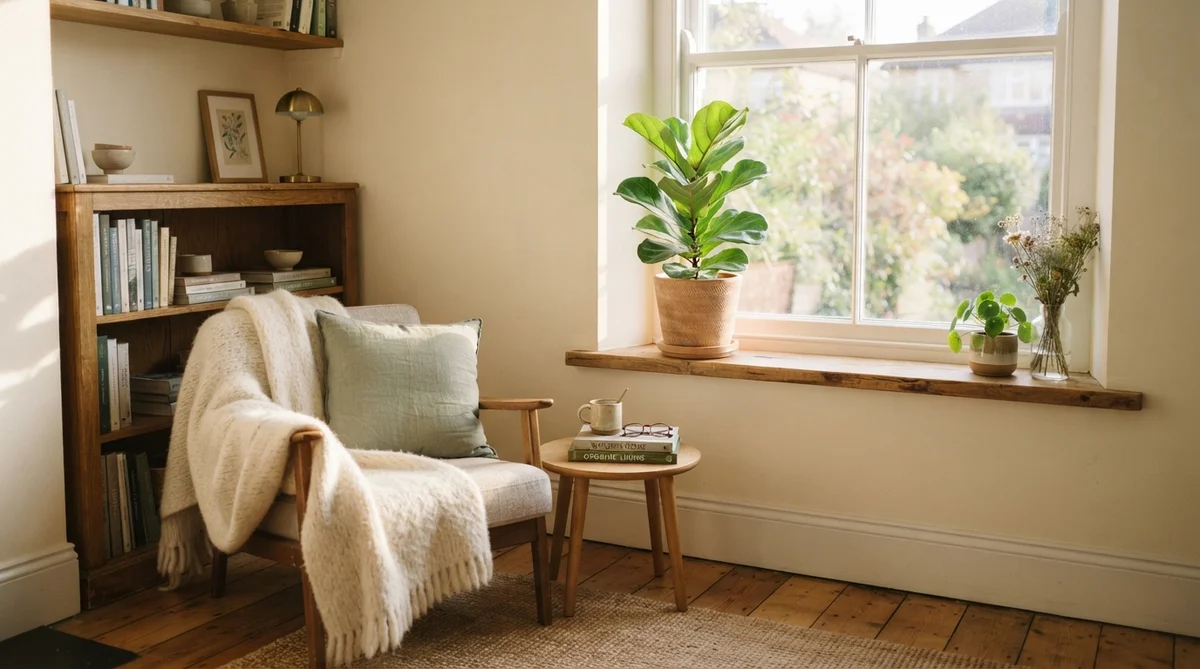
- Set Up a Dedicated Spot: Keep a comfortable chair or cushion visible in your living space as a visual reminder.
- Track Your Progress: Note completed sessions on a calendar to build momentum and visual satisfaction.
How Can You Overcome Common Beginner Challenges?
Many new meditators encounter minor obstacles during their first few weeks of practice. Knowing how to handle these hurdles keeps you consistent over time.
Restlessness and physical discomfort are frequent issues when sitting still. Adjust your posture freely if pain develops, as meditation does not require rigid stillness or discomfort. If physical tension remains a persistent problem, combining short sessions with gentle movement or light stretching can ease physical strain.
Frustration with mind-wandering leads many beginners to believe they are failing at meditation. The act of noticing that your mind has strayed is actually the core exercise that strengthens focus, not an error or a failure.
Frequently Asked Questions About Meditation
What is the best time of day to start meditating?
The best time is whichever time you can stick to consistently every day. Early morning works well for many because interruptions are few, but practicing during lunch breaks or before bed is equally effective.
Do I need to sit cross-legged on the floor?
No posture is mandatory for effective meditation. Sitting upright in an ergonomic chair with feet resting flat on the ground provides excellent support without straining your back or knees.
How long does it take to see results from meditation?
Research from Harvard University shows that structural brain changes and noticeable reductions in stress levels occur after 8 weeks of regular 10 to 20 minute daily practice, though brief improvements in focus appear within days.