
WHAT YOU NEED TO KNOW
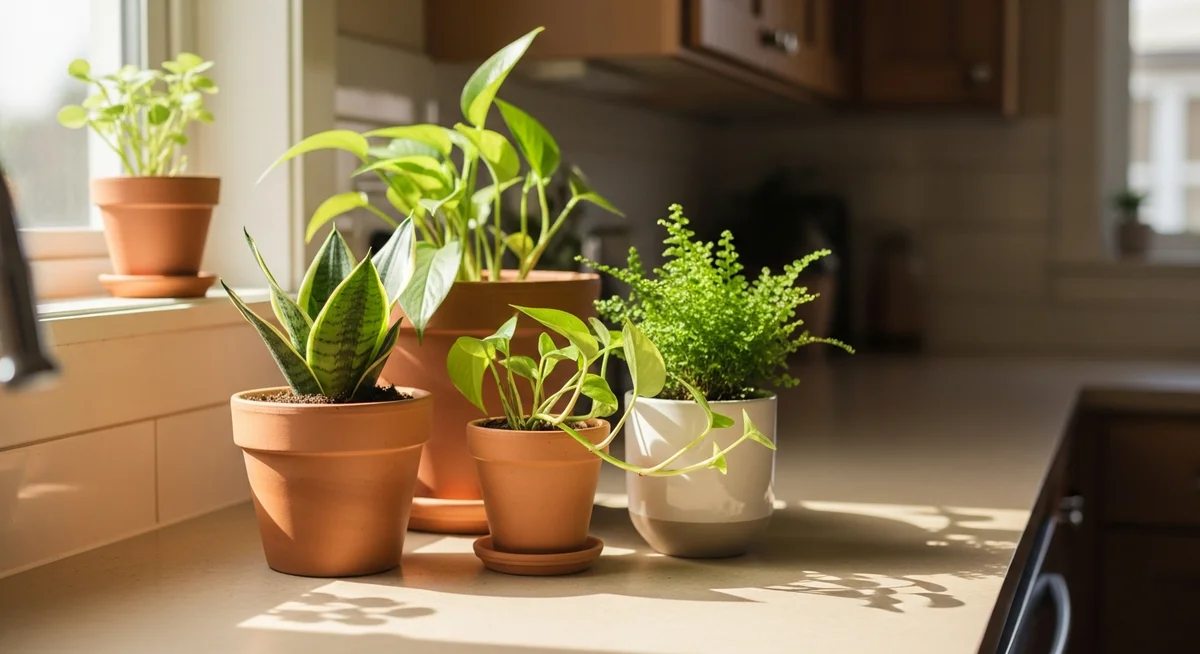
Starting your indoor garden is incredibly simple when you choose the best easy houseplants for beginners that naturally tolerate a bit of neglect. You do not need a green thumb to grow a lush indoor jungle, you just need resilient plants that adapt to typical home conditions. The table below outlines our top four recommendations for starting your collection in 2026.
| Plant Name | Light Needs | Watering Frequency | Key Strength |
|---|---|---|---|
| Snake Plant | Low to bright indirect | Every 2 to 3 weeks | Virtually indestructible; tolerates low light |
| ZZ Plant | Low to bright indirect | Every 3 weeks | Thrives in dry air and windowless rooms |
| Pothos | Medium to bright indirect | Every 1 to 2 weeks | Fast-growing trailing vines; easy to propagate |
| Spider Plant | Bright indirect | Every 1 week | Produces miniature baby plants naturally |
Your ultimate success will depend on matching your chosen plant to the specific lighting conditions of your room and your personal watering style.
What Makes These Easy Houseplants for Beginners Stand Out?
An ideal beginner plant possesses specific traits that allow it to survive while you learn its care routine. These plants do not require precise humidity, hourly attention, or complex fertilizing schedules. Instead, they handle the common mistakes of early plant parenting with grace.
- High drought tolerance: They can survive if you forget to water them for a couple of weeks.
- Adaptable light requirements: They grow in both dim corners and bright spaces.
- Resilience to dry air: They survive standard indoor heating and air conditioning without leaf browning.
- Pest resistance: They are rarely targeted by common indoor insects.
The Best Low-Maintenance Houseplants to Start With
Here is our curated list of the top eight plants that will thrive in almost any home environment:
- Snake Plant: The ultimate hardy succulent-like plant.
- ZZ Plant: A glossy, structural beauty that handles deep shade.
- Pothos: A lovely trailing vine that grows rapidly.
- Heartleaf Philodendron: A classic climbing vine with romantic foliage.
- Spider Plant: An air-purifying favorite that multiplies easily.
- Monstera Deliciosa: A bold tropical choice with iconic leaf splits.
- Rubber Plant: A sturdy indoor tree with dark, shiny leaves.
- Chinese Evergreen: A colorful foliage option for low-light corners.
1. Snake Plant (Sansevieria)
Also known as mother-in-law’s tongue, the snake plant features stiff, upright leaves that resemble swords. This plant is incredibly tough because its leaves store water, allowing it to go up to four weeks without a drink. It can survive in dark hallways, office corners, and next to bright windows alike.
2. ZZ Plant (Zamioculcas zamiifolia)
The ZZ plant features thick, glossy green leaves that look like they have been polished with wax. It relies on underground bulb-like structures called rhizomes to store water, which means it thrives even if you forget about it for a month. According to the Clemson University Cooperative Extension, overwatering is the most common cause of houseplant failure, and the ZZ plant is highly sensitive to soggy soil, so letting it dry out completely is key.
3. Pothos (Epipremnum aureum)
Pothos is often called devil’s ivy because it is nearly impossible to kill. Its heart-shaped leaves grow on trailing vines that can cascade down bookshelves or climb up walls. You can easily cut a stem, put it in water, and watch new roots grow within 14 days.
4. Heartleaf Philodendron
This plant is very similar to pothos but features slightly thinner, heart-shaped leaves and a deeper green color. It is highly adaptable and can grow in low, medium, or bright indirect light. If the soil dries out too much, the leaves will wilt slightly to tell you it needs a drink, recovering quickly once watered.
5. Spider Plant
Spider plants feature narrow, arching leaves with beautiful white stripes. They are famous for producing long stems with tiny baby plants, often called spiderettes, at the ends. You can easily snip these babies off and press them into potting soil to grow entirely new plants for your friends.
6. Monstera Deliciosa
This tropical classic is famous for its large, split leaves that look like Swiss cheese. While it looks exotic, it is actually quite easy to grow if you provide it with bright, indirect light and a sturdy pole to climb. A study from the University of Maryland Extension suggests that large-leaf indoor plants like the monstera significantly improve indoor aesthetics and raise humidity levels.
7. Rubber Plant (Ficus elastica)
The rubber plant can grow into a beautiful indoor tree with thick, dark burgundy or green leaves. It prefers a spot that receives bright, filtered light and needs its soil kept consistently moist but not soggy. Keep it away from cold winter drafts and heating vents to prevent leaf drop.
8. Chinese Evergreen (Aglaonema)
If you want to add a splash of pink, red, or silver to your home, the Chinese evergreen is a fantastic choice. This plant stays compact and thrives in warm, humid spaces like bathrooms or kitchens. It tolerates low light extremely well, making it perfect for rooms with small windows.
How to Choose the Right Plant for Your Space
Assessing Your Home’s Light Levels
Before you bring a plant home, you must understand the light in your space. Place your hand about 12 inches above a piece of white paper near your window: a sharp, clear shadow indicates bright, direct light, while a blurry shadow means medium, indirect light. If there is barely any shadow, you have low light, which is perfect for snake plants or ZZ plants.
Matching Plants to Your Watering Style
Some people are attentive waterers who want to care for their plants daily, while others prefer to set a reminder once a month. To help you match your natural habits with the right species, we have categorized these popular beginner plants by their watering preferences.
| Watering Style | Best Plants | Frequency | Care Tip |
|---|---|---|---|
| Under-waterer | Snake Plant, ZZ Plant | Every 3 to 4 weeks | Wait until soil is dry to the bottom |
| Balanced waterer | Pothos, Monstera | Every 1 to 2 weeks | Water when top 2 inches of soil dry |
| Over-waterer | Spider Plant, Chinese Evergreen | Every 1 week | Use well-draining soil and pots with holes |
Crucial Care Tips for Beginners
While these plants are incredibly forgiving, following a few basic guidelines will ensure they stay vibrant and healthy throughout 2026 and beyond.
How to Tell When Your Plant Needs Water
Do not rely on a strict calendar schedule to water your plants because indoor temperatures and seasons change how fast soil dries. Instead, use these simple tests to check if your plants are actually thirsty:
- The finger test: Insert your index finger 2 inches deep into the soil; if it feels dry and dusty, it is time to water.
- The weight test: Lift your potted plant; dry soil is much lighter than wet soil, and you will quickly learn the difference.
- The moisture meter: Use an affordable soil probe that reads soil moisture on a scale of 1 to 10.
Why Proper Drainage is Non-Negotiable
Roots need oxygen just as much as they need water, and sitting in stagnant water will cause them to rot. Always use a pot with at least one drainage hole at the bottom so excess water can escape. If you find a beautiful decorative pot with no holes, you can use it as a cover pot: keep your plant in its plastic nursery pot and slide it inside.
Frequently Asked Questions
What is the absolute easiest houseplant to keep alive?
The snake plant is widely considered the absolute easiest plant to keep alive. It survives dark rooms, dry air, and weeks of complete neglect without losing its structural beauty. It is the perfect choice for anyone who worries they might kill their first plant.
Which beginner-friendly plants are safe for pets?
Many common houseplants contain compounds that can irritate your pets if chewed. We have compiled a list of safe and toxic options below to help you keep your cats and dogs safe.
| Plant Name | ASPCA Pet Safe Status | Toxicity Level | Alternative Option |
|---|---|---|---|
| Spider Plant | Safe | Non-toxic | N/A |
| Pothos | Toxic | Mild to moderate irritation | Spider Plant |
| Snake Plant | Toxic | Mild to moderate irritation | Cast Iron Plant |
| ZZ Plant | Toxic | Mild to moderate irritation | Peperomia |
How many houseplants should a beginner start with?
A beginner should start with only one or two plants to avoid feeling overwhelmed. Once you understand their watering needs and light preferences, you can expand your collection. We maintain strict standards for our garden recommendations, which you can read about in our legal notice. For information on how we handle user data and privacy while you browse our plant care tips, please review our privacy policy.