
WHAT YOU NEED TO KNOW
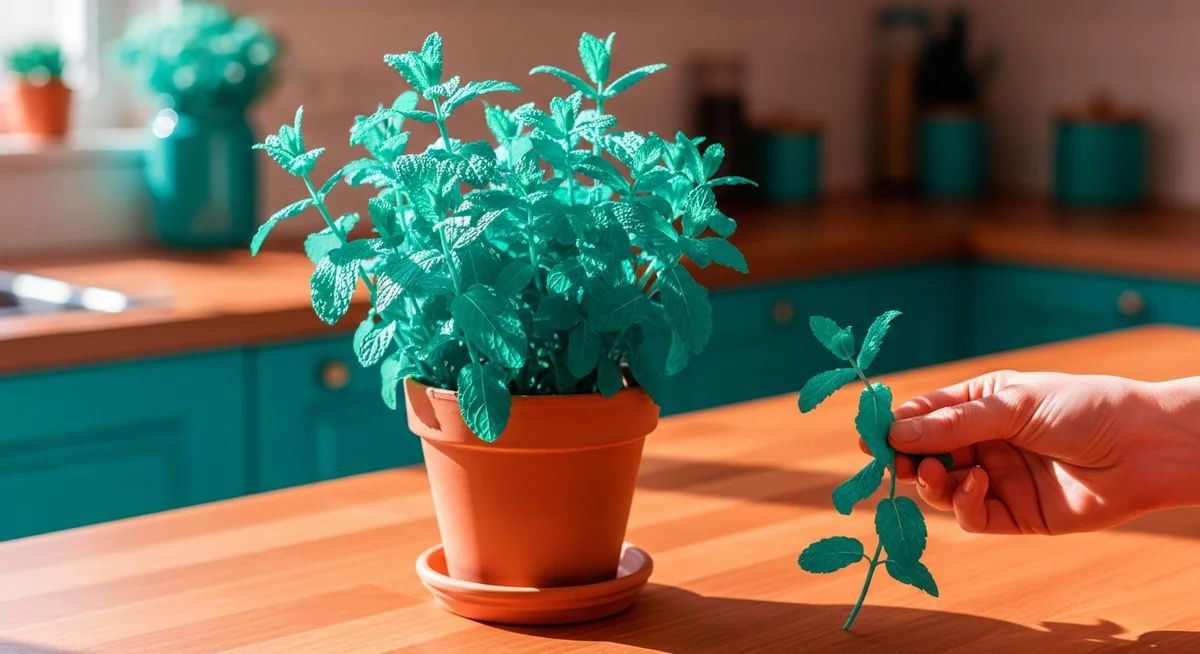
Growing your own fresh herbs is surprisingly easy when you contain this vigorous grower to keep it from taking over your space.
Knowing how to grow mint at home gives you an endless supply of aromatic leaves for teas, cooking, and cocktails.
- Mint requires at least 4 to 6 hours of daily sunlight to thrive indoors or outdoors.
- Using containers with a minimum diameter of 10 inches prevents the aggressive root systems from choking out other garden plants.
- Keep soil consistently moist but never soggy, watering when the top 1 inch of soil feels dry.
The most critical factor in your success is keeping the plant contained to prevent its invasive runners from taking over your yard.
Why Should You Grow Mint in Containers?
Cultivating mint is a highly rewarding project, but this vigorous herb comes with a reputation. Mint plants spread rapidly through aggressive underground runners called stolons. If you plant them directly in your garden bed, they will quickly crowd out your other flowers and vegetables. Growing mint in pots is the gold standard of herb gardening because it keeps these enthusiastic roots completely contained.
- Root containment: Potting boundaries stop aggressive root runners from choking out neighboring flowers and vegetables.
- Portability: You can easily move your containers to follow the shifting sunlight throughout the seasons.
- Soil control: Containers let you select a well-draining potting mix rather than struggling with heavy yard clay.
Which Are the Best Mint Varieties to Grow at Home?
Not all mint plants are created equal when it comes to flavor and growth habits. Choosing the right variety ensures you get the exact culinary or aromatic profile you want. Most varieties thrive under similar conditions, making it easy to mix and match. Here are the most popular cultivars to consider for your home setup.
- Spearmint (Mentha spicata): The classic, sweet option ideal for iced teas, salads, and culinary recipes.
- Peppermint (Mentha x piperita): A stronger, sharper flavor rich in menthol, excellent for hot tea and soothing rubs.
- Chocolate Mint: A delightful variety with a subtle cocoa aroma and dark, round leaves that dress up desserts.
- Orange Mint: Features a citrusy, bright fragrance that pairs beautifully with summer beverages and fruit salads.
How Do You Start Mint: Seeds vs. Cuttings?
Mint is incredibly resilient, but your starting method determines how quickly you will harvest. Cuttings are widely preferred over seeds because they grow much faster and carry the exact genetic flavor of the parent plant. Seeds can be slow to germinate and sometimes produce variable flavor profiles. Choosing cuttings ensures your new plant tastes exactly like the mother plant.
How Do You Propagate Mint from Cuttings?
Propagating from cuttings is the easiest and most reliable method to expand your herb collection. You can take a cutting from an existing outdoor plant or even a fresh bundle bought from the grocery store. It requires no special equipment and offers a near-perfect success rate. Follow these straightforward steps to get started.
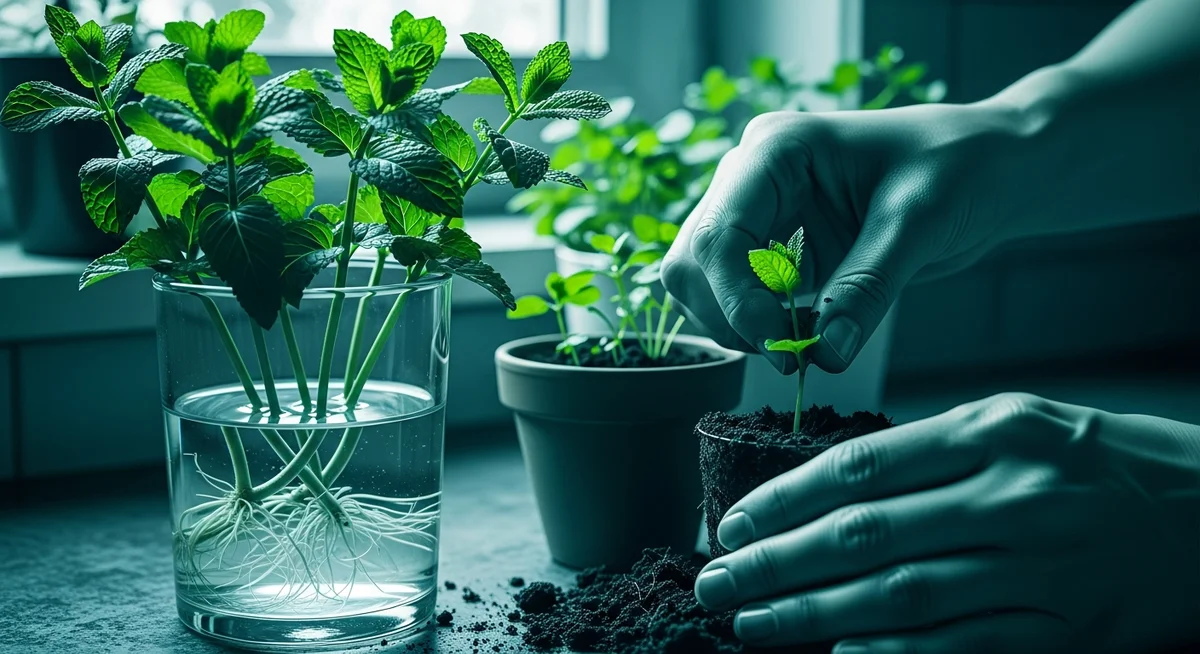
- Cut a stem: Snip a 3 to 4 inch healthy stem just below a leaf node.
- Strip the lower leaves: Remove the leaves from the bottom 2 inches of the stem to expose the nodes.
- Root in water: Place the stem in a small jar of clean, room-temperature water on a bright windowsill.
- Wait for roots: Change the water every 2 days until roots reach about 1 inch long, which usually takes 7 to 10 days.
- Pot the cutting: Plant the rooted stem in damp potting soil, pressing gently around the base.
How Do You Sow Mint Seeds?
Sowing seeds takes more patience but is highly affordable if you want to grow unique cultivars. Scatter the tiny seeds on top of a moist, seed-starting compost mix, as they need light to germinate. Press them very lightly into the surface but do not cover them with soil. Keep the tray at 65 to 70 degrees Fahrenheit and mist regularly.
According to the University of Maryland Extension, mint seeds typically germinate within 10 to 15 days under proper humidity and light conditions. Once the seedlings develop 2 sets of true leaves, you can carefully transplant them into larger individual pots.
What Are the Best Methods for How to Grow Mint at Home?
You can grow this versatile herb in several setups depending on your space and equipment. Choosing the right method lets you customize your herb garden to fit a sunny windowsill or a dedicated countertop. Let’s look at the three most common approaches.
How Do You Grow Mint in Soil?
Traditional soil cultivation remains the most popular way to nurture your herbs. Use a lightweight, peat-based potting mix that retains moisture while allowing excess water to drain freely. Select a container with ample drainage holes at the bottom to prevent waterlogged roots. Ensure your pot is at least 10 inches deep to give the fast-growing root systems enough room to establish.
Can You Grow Mint in Water?
Yes, you can cultivate mint indefinitely in just plain water if you do not want to deal with soil. Keep a few cuttings in a glass jar placed in a sunny spot, changing the water weekly to keep it fresh and oxygenated. This clean method is perfect for a kitchen windowsill or a desk. While water-grown mint produces foliage slower than soil-grown plants, it provides a beautiful, low-maintenance display.
How Do You Grow Mint Hydroponically?
Hydroponic setups offer rapid growth and clean, soil-free yields year-round. You can place your mint cuttings in net pots filled with clay pebbles or rockwool plugs. Suspend the roots in an oxygenated water solution mixed with liquid hydroponic nutrients. This method maximizes the plant’s intake of oxygen and nutrients, resulting in lush leaves that are ready to harvest much sooner than traditional methods.
How Do You Care for Potted Mint Plants?
Once your herb is established, learning how to care for potted mint plants requires just a few simple, routine habits. These hardy plants are highly forgiving, but consistent care keeps their foliage tender and packed with flavor. Proper maintenance prevents pests and diseases while extending the life of your plant.
What Light and Temperature Do Mint Plants Need?
Mint plants thrive in bright, indirect sunlight for 6 hours daily. If your indoor windows do not supply enough light, use a 15-watt LED grow light positioned 6 inches above the foliage. Keep the indoor temperature between 65 and 75 degrees Fahrenheit for optimal growth. Avoid placing your pots near drafty windows, air conditioners, or heating vents, which can dry out the delicate leaves.
How Should You Water and Fertilize Your Mint?
Managing moisture and nutrients is key to sustaining a healthy, vibrant plant. Mint prefers consistent hydration over a wet-and-dry cycle. Regular feeding provides the energy the plant needs to continuously push out new foliage throughout the year.
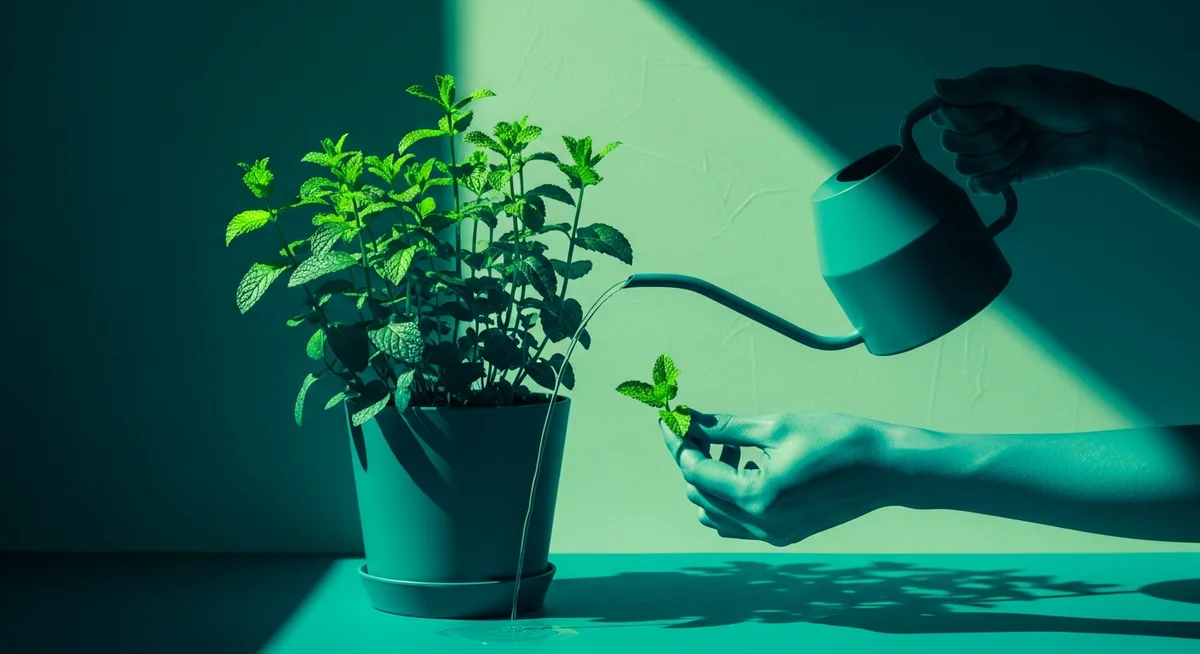
- Check the soil: Water when the top 1 inch of soil feels dry to your touch.
- Flush the pot: Pour water over the soil until it drains out the bottom holes to ensure thorough hydration.
- Fertilize lightly: Apply a half-strength, liquid organic fertilizer every 3 weeks from spring to late summer.
- Reduce in winter: Slow down fertilizing to once every 6 weeks during the cooler, slower-growing winter months.
How Do You Prune Mint for Bushier Growth?
Regular pruning prevents your mint from becoming leggy and woody. Pinch off the top growing tips just above a leaf node to force the plant to branch out into 2 new stems. Never be afraid to trim your plant, as it responds to pruning with rapid, bushy new growth. If the plant starts to bloom, pinch off the flower buds immediately, as flowering can make the leaves taste bitter.
How Do You Harvest and Store Mint?
Harvesting your mint encourages the plant to produce even more delicious leaves for your kitchen. You can harvest sprigs as soon as the plant reaches 6 inches in height. Use these practices to gather and preserve your harvest.
- Snip from the top: Cut stems just above a set of leaves, leaving at least 33% of the plant intact to regrow.
- Store fresh: Place freshly cut stems in a glass of water on your counter like a bouquet of flowers for up to 1 week.
- Refrigerate: Wrap damp stems in a paper towel and store them inside a reusable bag in your refrigerator’s crisper drawer.
- Dry the leaves: Lay clean leaves flat on a mesh screen in a warm, dry room for 2 weeks, then store them in airtight jars.
How Do You Troubleshoot Common Mint Problems?
While mint is remarkably tough, it can occasionally face environmental stressors or pests. Knowing how to spot and treat these issues quickly will keep your herb collection thriving. The USDA Agricultural Research Service notes that managing soil humidity is the most effective defense against common fungal issues in potted herbs.
| Problem | Likely Cause | How to Fix |
|---|---|---|
| Leggy, pale stems | Low light levels | Move to a brighter window or add a 15-watt grow light |
| Wilting or yellowing leaves | Overwatering or poor drainage | Reduce watering and ensure drainage holes are clear |
| White powder on leaves | Powdery mildew fungus | Improve air circulation and avoid overhead watering |
| Brown spots on stems | Mint rust disease | Remove affected foliage immediately and keep leaves dry |
| Tiny flying insects | Fungus gnats in wet soil | Let the top soil dry completely between waterings |