
WHAT YOU NEED TO KNOW
Staying properly hydrated does not require massive effort, but rather small, sustainable shifts in your everyday routines that make drinking water an effortless choice.
- According to research from the Academy of Nutrition and Dietetics, adult women need about 92 ounces of fluids daily, while adult men require roughly 124 ounces.
- Approximately 20 percent of your daily fluid intake comes directly from the water-rich foods you eat.
- Mild dehydration can deplete your energy, impair cognitive function, and cause headaches before you even feel thirsty.
Your exact personal hydration target will vary depending on your physical activity levels, local climate, and overall health status.
Why Does Hydration Matter and How Much Do You Need?
The human body is made up of approximately 65 percent water, meaning that every cell, tissue, and organ relies on fluid to function properly. Water acts as a natural lubricant for your joints, helps regulate your internal body temperature, and assists your kidneys in flushing out waste. When you do not drink enough, your heart has to work harder to pump blood, which can leave you feeling fatigued and sluggish.
Understanding your hydration needs is a great starting point for building healthier habits. Acquiring reliable everyday know-how for home and life allows you to make informed decisions about your daily physical wellbeing without feeling overwhelmed by complicated medical jargon.
What Are the Signs of Mild Dehydration?
Many people wait until they feel incredibly thirsty to pour a glass of water, but thirst is actually a late sign of dehydration. Your body will often signal a lack of fluids in several subtle ways before you feel a dry mouth. Staying alert to these early indicators can help you correct your fluid levels before you experience more severe symptoms.
- Dark or concentrated urine: Your urine should ideally be pale yellow or completely colorless.
- Headaches and lightheadedness: A drop in fluid levels can trigger tension headaches and mild dizziness.
- Low energy and fatigue: Even minor dehydration can cause a noticeable slump in physical and mental performance.
- Dry skin and chapped lips: Your skin loses elasticity when your body is conserving its internal water reserves.
What Are the Recommended Daily Fluid Intakes?
The general advice to drink eight glasses of water a day is a simple guideline, but official health organizations offer more precise, tailored targets. According to the Mayo Clinic, adult women living in a temperate climate need a minimum of 92 ounces (about 11.5 cups) of water per day. For adult men, that target increases to 124 ounces (about 15.5 cups) daily to compensate for larger body masses and different metabolic rates.
These figures represent your total fluid intake, which includes the liquids you drink alongside the water contained in the foods you consume. You will need to increase these targets if you exercise regularly, work outdoors, or live in a hot, humid climate. Older adults must be especially vigilant, as the natural sense of thirst tends to decrease with age.
What Are the Easy Ways to Drink More Water Every Day?
Developing new habits is much simpler when you focus on convenience and accessibility. By implementing practical and easy ways to drink more water, you can seamlessly integrate hydration into your existing schedule. You do not need to make drastic lifestyle changes to see a substantial difference in how you feel each day.
Why Keep a Reusable Water Bottle Close?
One of the simplest strategies to increase your intake is to make water highly visible and physically accessible. When a water bottle is sitting directly on your desk or in your car, you will naturally reach for it out of habit. Choose a durable, reusable bottle that you enjoy using, and make a commitment to fill it up first thing in the morning.
If you travel frequently, carry your bottle with you on your daily commute. Having water readily available prevents you from purchasing sugary sodas or energy drinks when you are on the move. Keep a backup bottle at your office desk so you are never left without a convenient source of hydration.
How Do You Flavor Your Water Naturally?
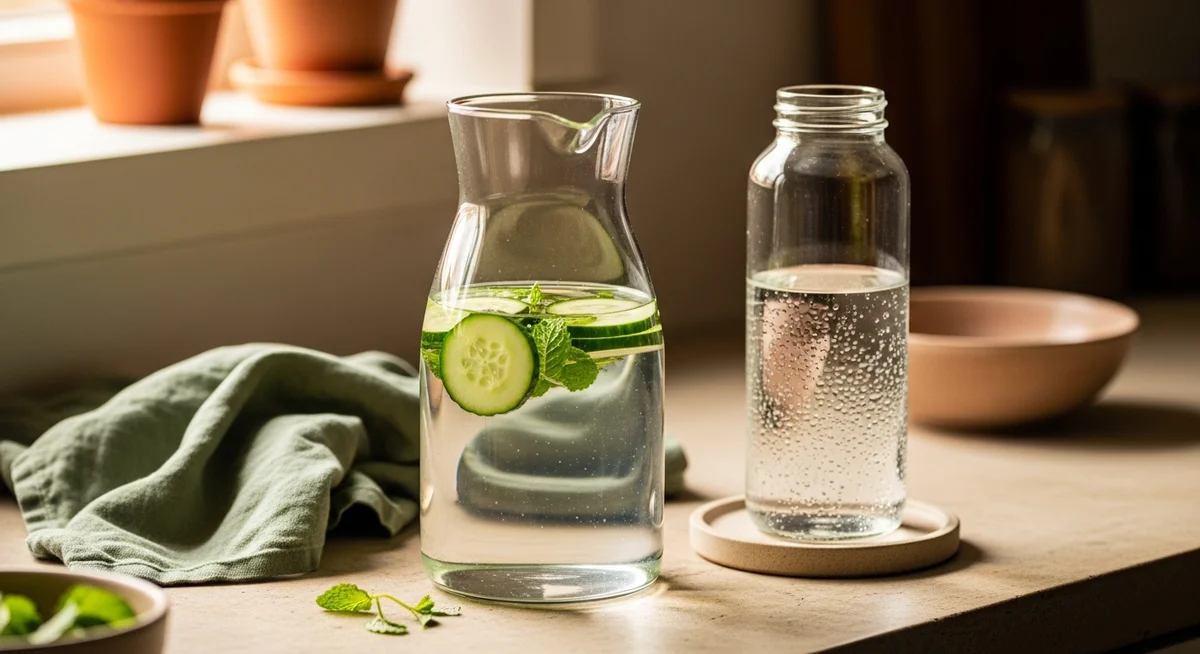
If you find the taste of plain tap water unappealing, you can easily enhance it without relying on artificial sweeteners or liquid flavor drops. Adding fresh fruit, vegetables, and herbs to a pitcher of water creates a subtle, refreshing taste that makes drinking more enjoyable. You can prepare a large batch in the morning and let the flavors infuse in your refrigerator throughout the day.
Great options for natural infusers include sliced lemons, limes, oranges, cucumbers, and fresh berries. You can also experiment with herbs like basil, mint, or rosemary to create unique flavor profiles. This simple step turns a boring chore into an appealing daily treat.
How Do Reminders and Apps Support Your Hydration?
It is easy to get caught up in a busy workday and completely forget to drink water for hours at a time. Setting recurring alarms on your phone or computer is an excellent way to prompt yourself to take a few sips every hour. Alternatively, you can use specialized mobile apps designed to track your daily fluid intake and send gentle notifications.
If you decide to use a smartphone app, remember to review the developer’s privacy policy to see how your personal health data is managed and stored. If you prefer a low-tech approach, simply drawing tick marks on your calendar or planner can provide the same satisfying sense of progress.
How Can You Tie Drinking Water to Daily Routines?
Habit stacking is a powerful psychological tool that involves linking a new habit to an established part of your daily routine. By associating a glass of water with an action you already perform without thinking, you remove the mental effort of remembering to drink. Over time, these actions become paired naturally in your brain.
Try drinking a full glass of water every time you brush your teeth, step into the kitchen to prepare a meal, or sit down at your desk to start work. You can also make it a rule to drink a cup of water immediately after using the restroom. These small, frequent sips quickly add up to significant quantities over the course of 12 to 16 hours.
Which Water-Rich Foods Help You Hydrate?
You do not have to rely solely on liquids to meet your hydration goals, as many common fruits and vegetables have an exceptionally high water content. Incorporating these foods into your snacks and meals is an excellent way to boost your fluid levels while consuming vital vitamins and minerals. The Academy of Nutrition and Dietetics notes that approximately 20 percent of our daily water intake comes from solid food.
- Cucumbers and celery: These vegetables consist of roughly 95 percent water and make excellent, crunchy snacks.
- Watermelon and strawberries: Boasting over 91 percent water content, these fruits satisfy sweet cravings while providing hydration.
- Zucchini and bell peppers: These cooking staples are highly hydrating and easily incorporated into stir-fries or salads.
- Broths and light soups: Choosing low-sodium broths can contribute to your fluid intake, especially during colder seasons.
Why Swap Sugary Drinks for Sparkling Water or Tea?
Many store-bought beverages like sodas, fruit juices, and sweetened coffees contain high amounts of sugar that can actually worsen dehydration. If you love the carbonation of soda, try switching to unsweetened sparkling water with a splash of real fruit juice. This gives you the refreshing fizz you crave without the excess calories and sugar crashes.
Herbal teas are another fantastic alternative that can be enjoyed hot or iced. Varieties like chamomile, peppermint, and hibiscus are naturally caffeine-free and contribute directly to your daily fluid targets. If you find it difficult to quit soda entirely, try alternating each sugary drink with a full glass of plain water.
Should You Use a Straw or a Marked Bottle?
Many people find that they consume larger volumes of liquids much faster when using a straw compared to sipping directly from a glass. A straw allows you to take larger gulps without realizing it, which can help you empty your bottle quickly. Keep a reusable silicone or stainless steel straw in your favorite tumbler to encourage continuous sipping.
Another helpful tool is a marked water bottle that features hourly time indicators printed on the side. These visual markers break your daily hydration goal down into manageable hourly milestones. Seeing that you are slightly behind on your 2:00 PM target provides an immediate, gentle nudge to take a few deep sips.
FAQs About Staying Hydrated
Can you drink too much water?
Yes, it is possible to consume an excessive amount of water, leading to a rare but serious medical condition known as hyponatremia. This occurs when an extreme influx of water dilutes the sodium levels in your blood, causing cells to swell. This condition is most common among endurance athletes, such as marathon runners, who drink massive volumes of plain water without replenishing lost electrolytes.
For the average person, kidney function is highly efficient and will easily excrete excess water under normal circumstances. To protect your health, avoid drinking extremely large volumes of water in a very short period. If you have chronic kidney, heart, or liver disease, consult a medical professional to establish a safe daily limit tailored to your specific condition.
Do other fluids like coffee and tea count toward hydration?
Yes, caffeinated beverages like coffee and tea do contribute to your overall daily fluid intake. While caffeine is a mild diuretic, meaning it can increase your need to urinate, the water content in these drinks easily outweighs the mild dehydrating effect. However, relying solely on caffeine for your hydration is not ideal for your nervous system or sleep quality.
- Moderate intake: Keep your caffeine consumption below 400 milligrams per day, which is roughly four cups of brewed coffee.
- Avoid excess sugar: Syrups, whipped cream, and heavy creamers add unnecessary calories and can reduce the hydrating benefits.
- Balance with plain water: Try to match every cup of coffee with a glass of pure water to maintain a healthy physiological balance.